Product Description
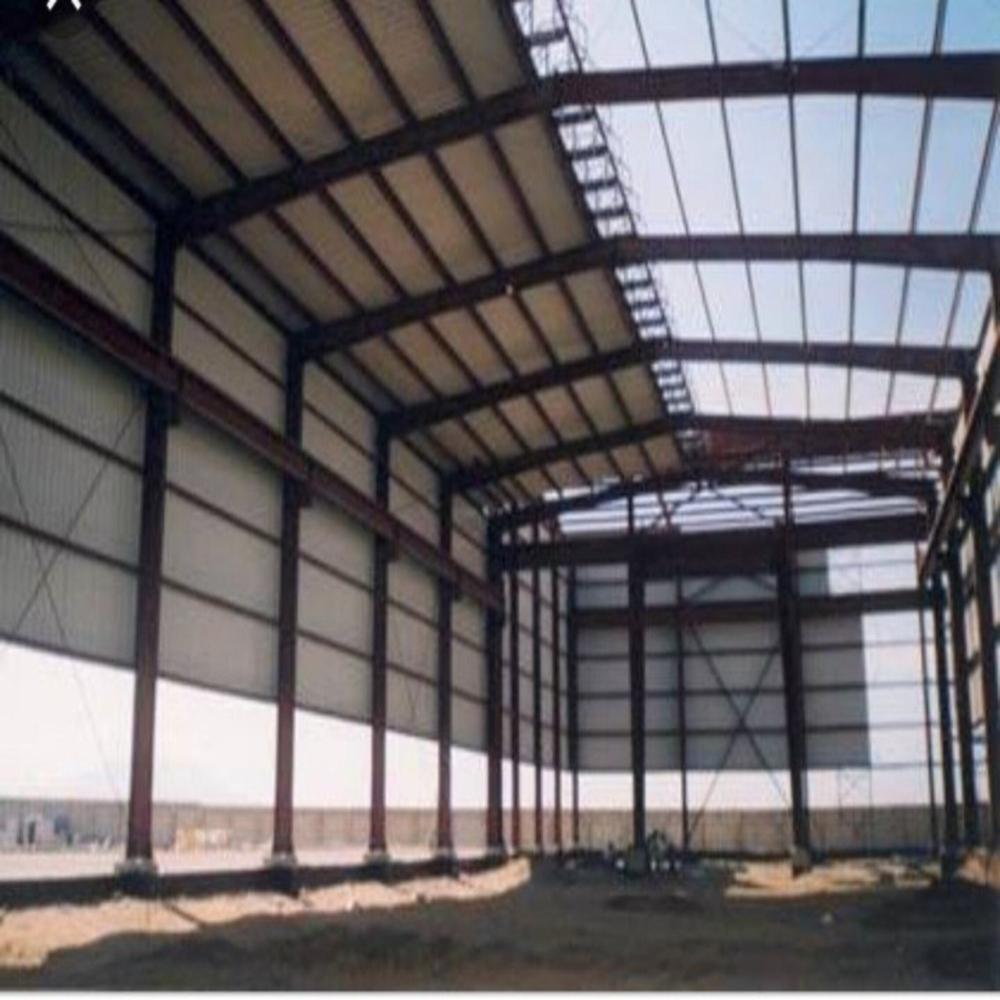
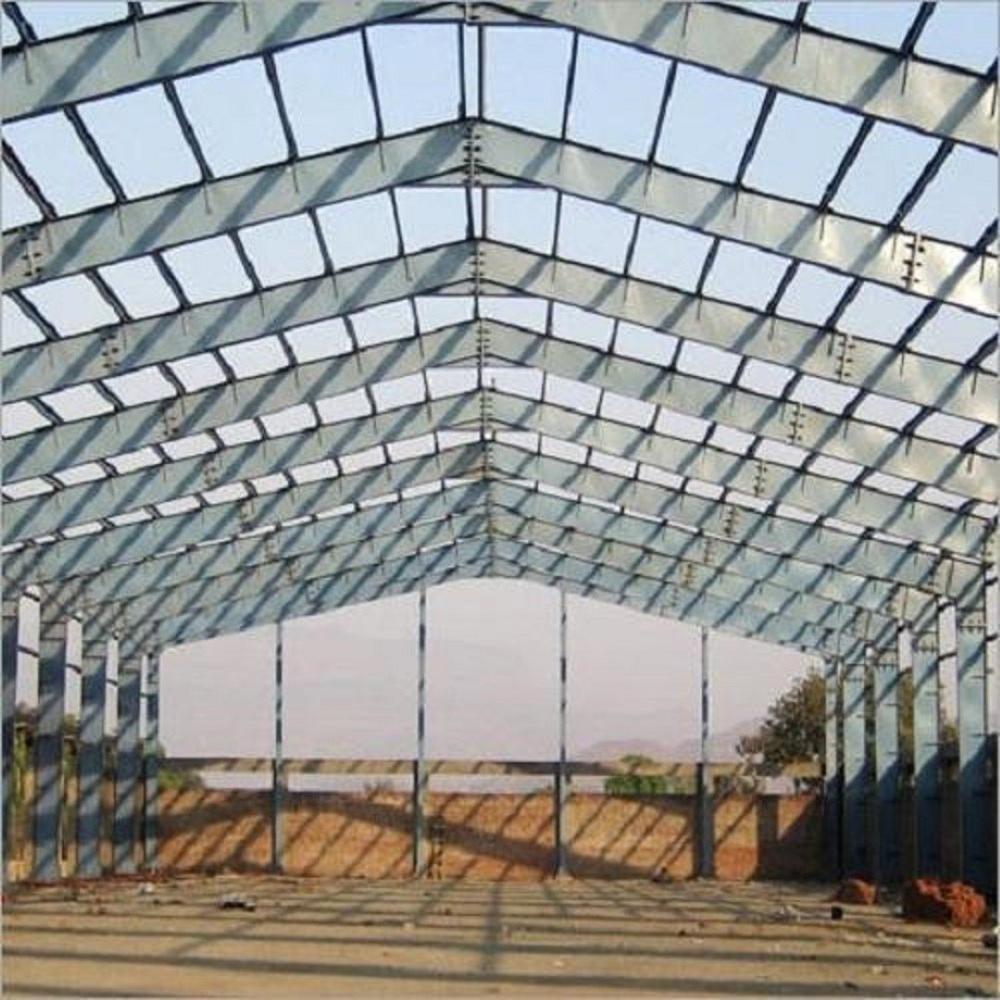
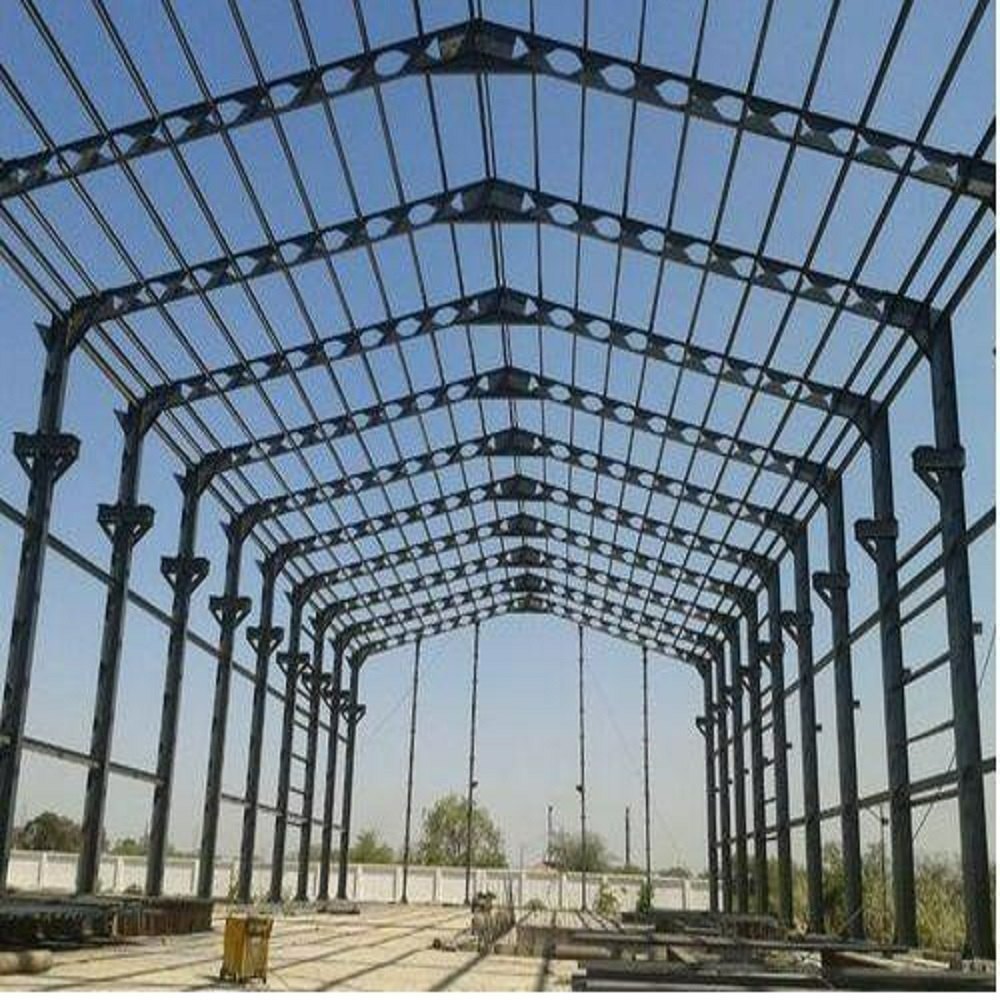
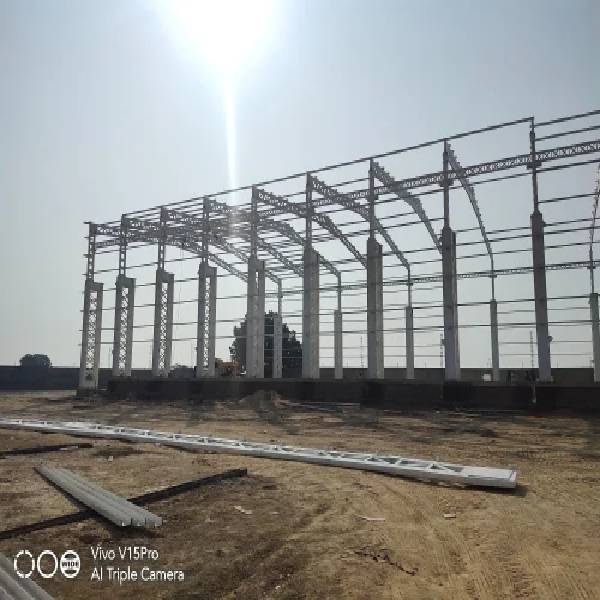
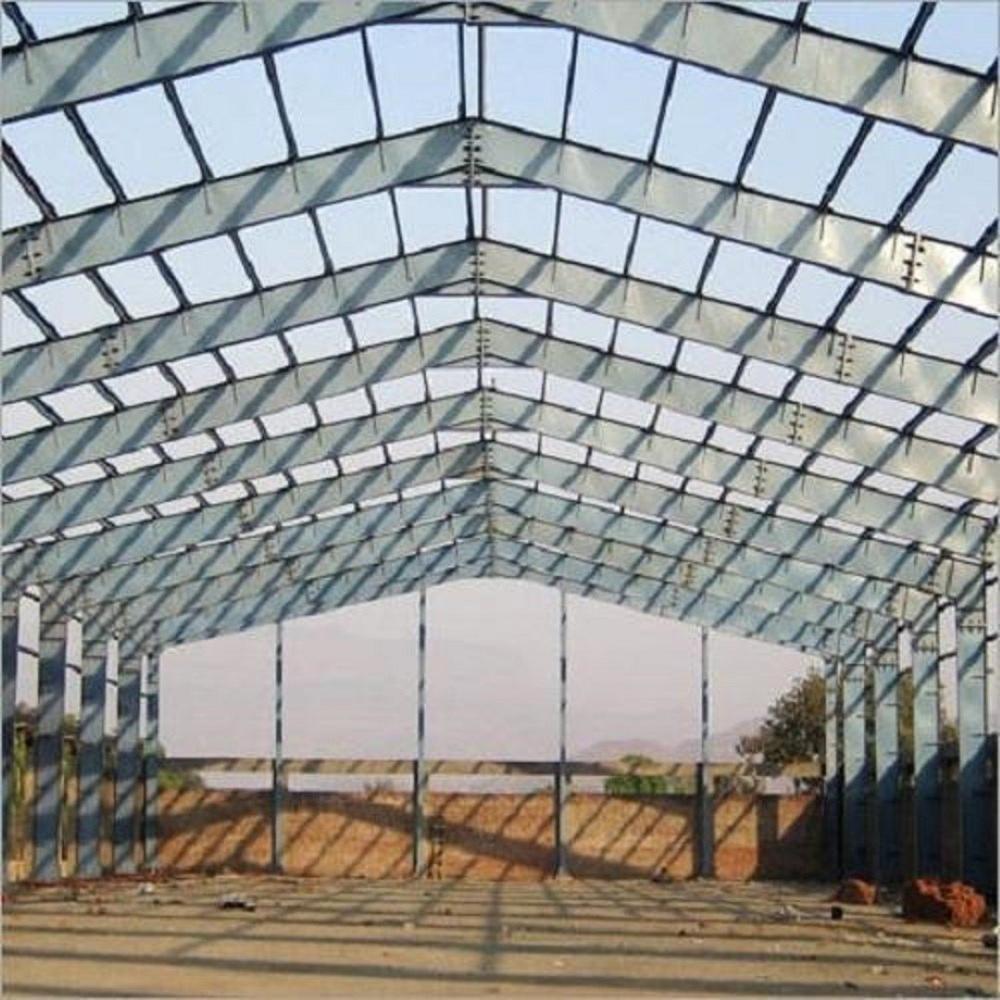
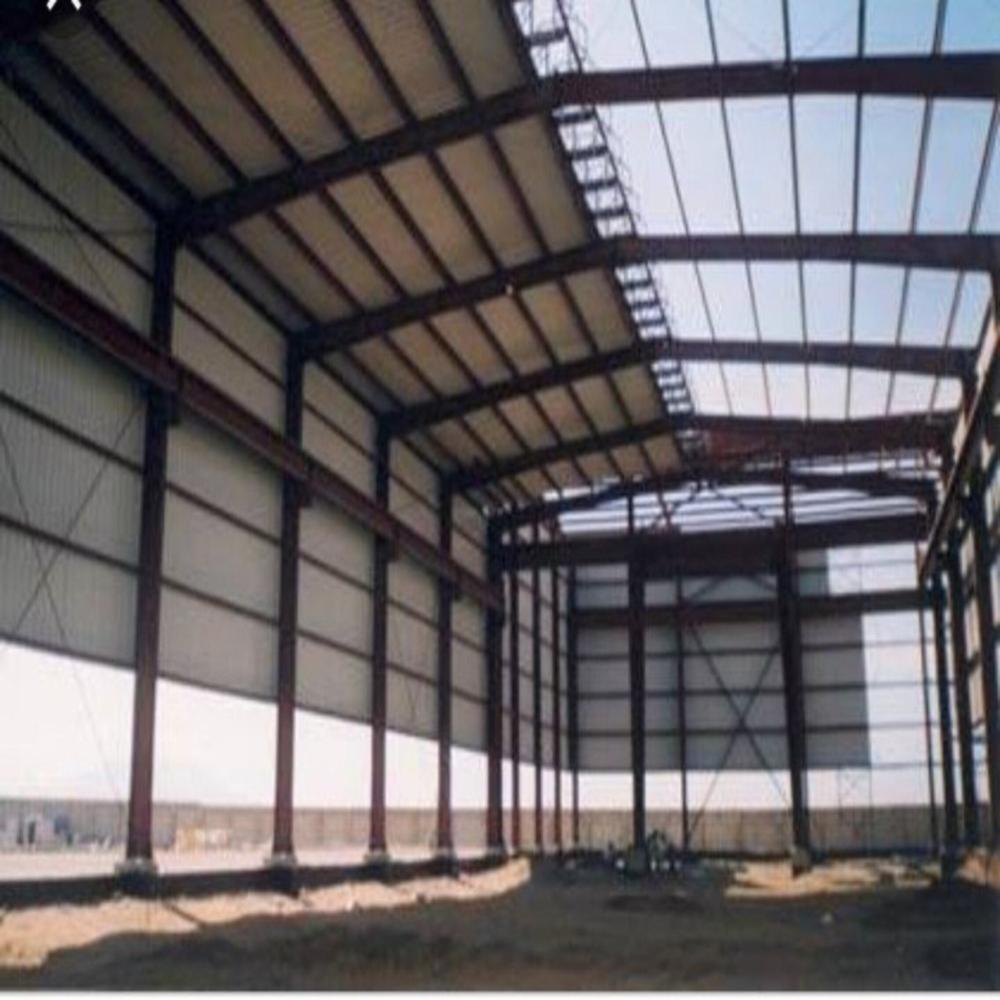
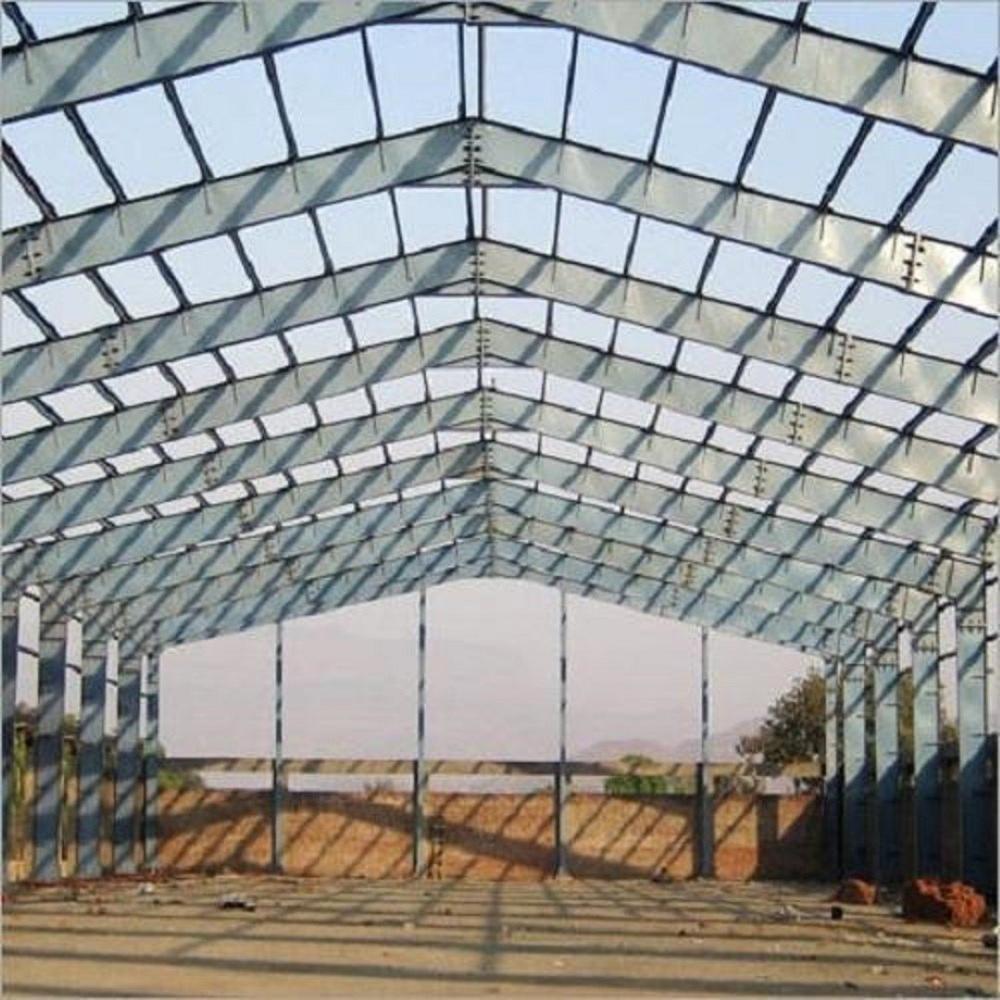
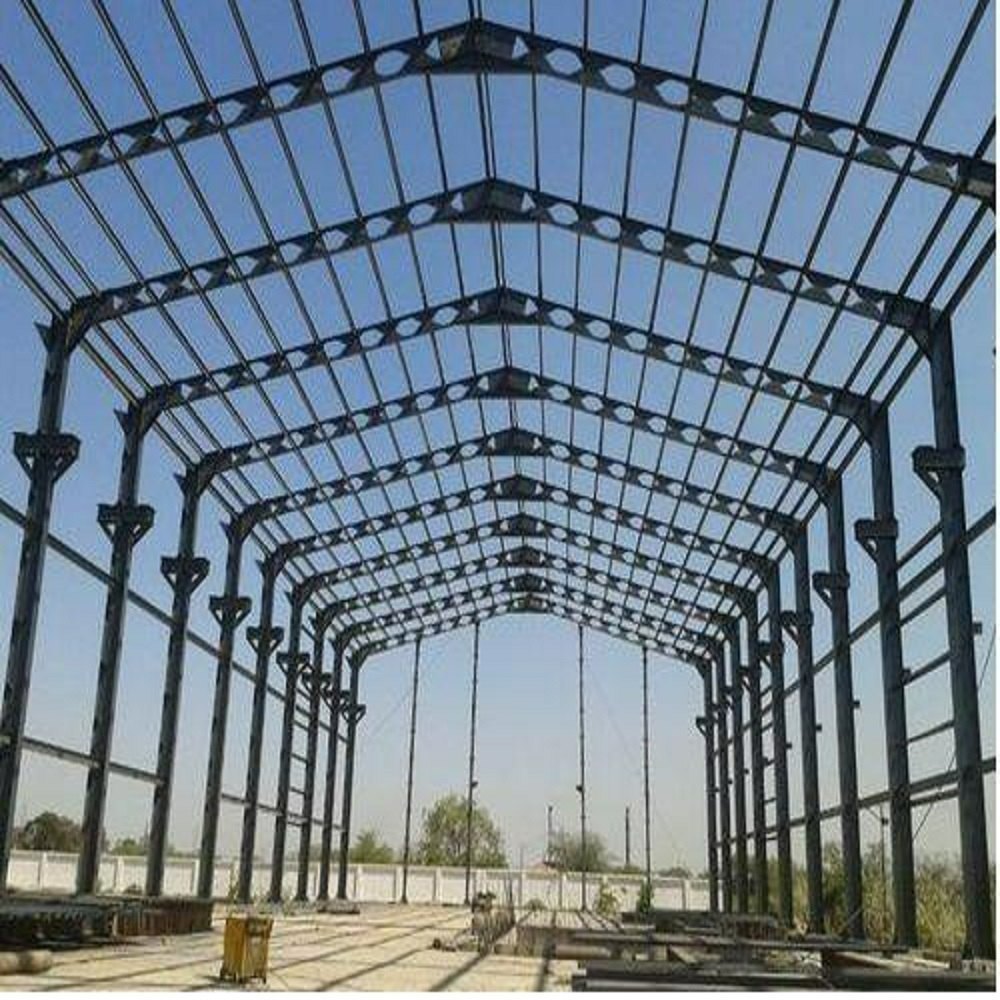
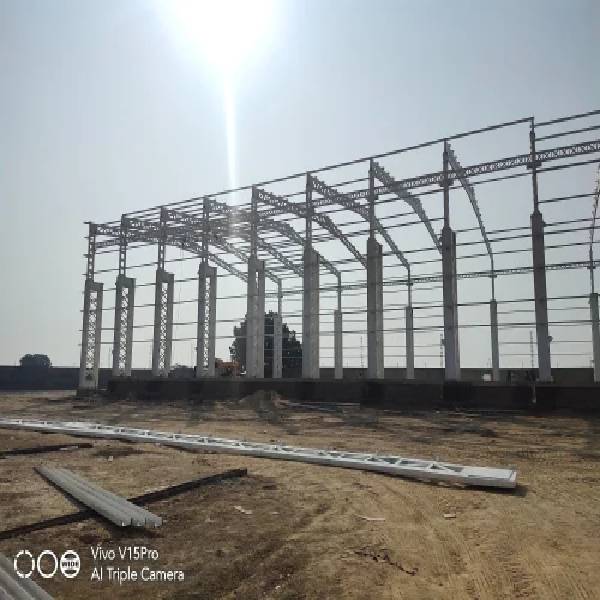
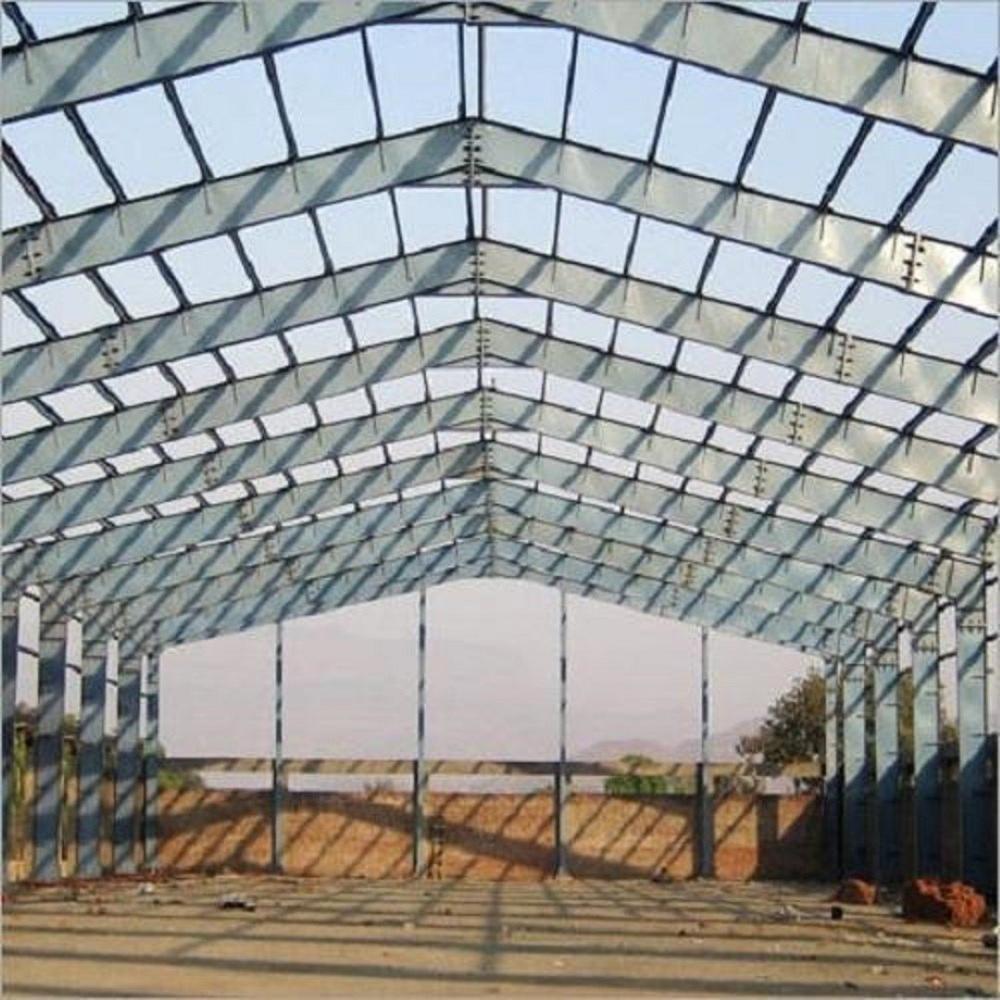
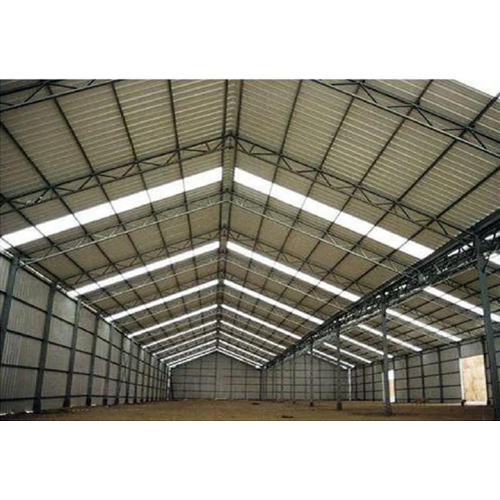
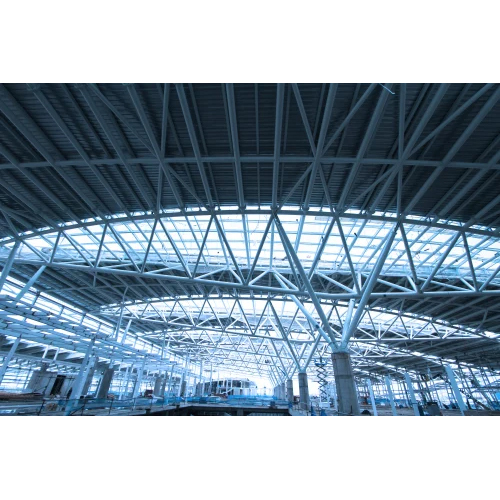
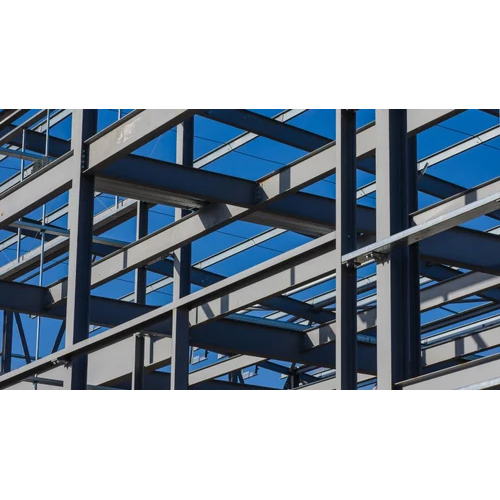
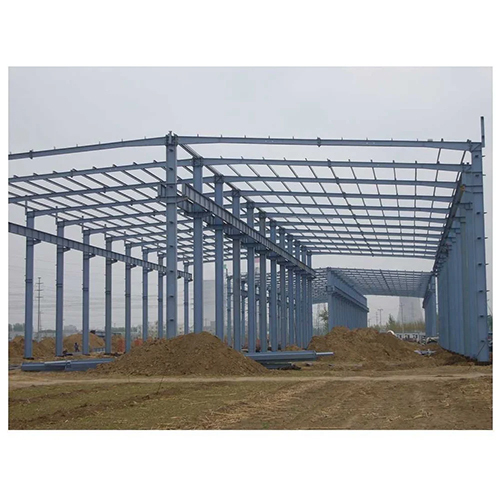
We provide Mild Steel Conventional Roofing System services, offering durable, cost-effective, and reliable roofing solutions for industrial and commercial buildings. Our roofing system uses high-quality mild steel sheets, known for their strength and resistance to various weather conditions, ensuring a long-lasting and robust roof for your structure. Our team specializes in designing and installing customized mild steel roofing systems that cater to the specific needs of your project. The system includes a sturdy framework made of mild steel, supporting corrugated or flat steel sheets that provide excellent protection and stability. We ensure precise installation, minimizing construction time while maintaining high-quality standards. With our Mild Steel Conventional Roofing System, you benefit from reduced maintenance costs and enhanced durability. Whether for warehouses, factories, workshops, or large commercial spaces, our roofing solutions are designed to withstand heavy loads and harsh environments, making them a reliable and efficient choice for your building.
FAQs of Mild Steel Conventional Roof Structure:
Q: What materials are used in the Mild Steel Conventional Roof Structure?
A: The structure is made primarily of mild steel, with concrete used for the flooring or customized materials based on requirements.
Q: Is the dimension of the structure fixed or customizable?
A: The dimensions (Length * Width * Height) of the structure are customizable to fit specific requirements.
Q: How is the connection between the components made?
A: The components are connected either through welding or bolting, depending on the design and structural needs.
Q: What is the estimated lifespan of the Mild Steel Conventional Roof Structure?
A: The estimated lifespan of the structure is between 30 to 50 years, depending on maintenance and usage conditions.
Q: What types of load considerations are accounted for in the roof and floor structure?
A: The roof dead load and live load are calculated based on structural requirements and usage, whereas the floor load is designed per specific user requirements.

 Send Inquiry
 07971891559( PIN:147)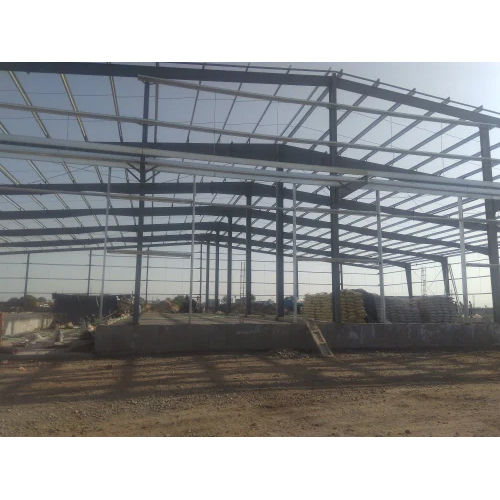







 Send Inquiry
 Send SMS
 Call Me Free